The Most Expensive Postage Stamps in the World: Origins and Record Sales
Stamp collecting is a hobby that has captivated millions, turning tiny pieces of paper into prized possessions. In this article, we delve into the world of philately to uncover the stories behind the five most expensive postage stamps ever sold. From legendary printing errors to unique historical circumstances, discover what makes these stamps so incredibly valuable and why they fetch such astonishing prices at auctions.
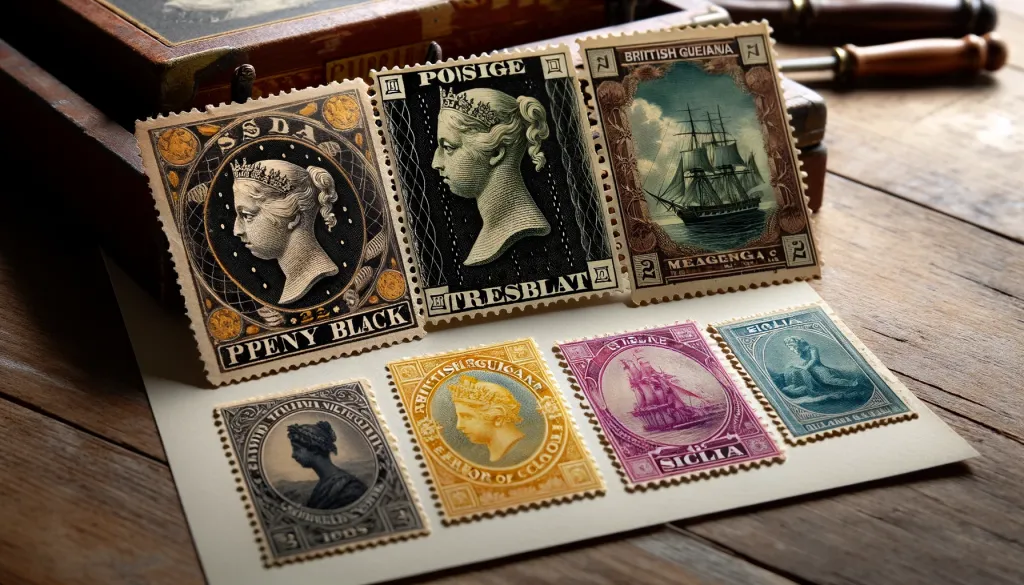
Discover the captivating stories behind the world's five most expensive postage stamps! Unearth the fascinating histories, legendary printing errors, and jaw-dropping auction prices that have made these tiny pieces of paper coveted treasures. Dive into a journey through time and philatelic marvels that will intrigue collectors and history enthusiasts alike. Read on to uncover the secrets of these rare and valuable gems!
Table of Contents
The British Guiana 1c MagentaThe Treskilling YellowThe Penny BlackThe Sicilian Error of ColorThe Inverted JennyThe Inverted SwanThe Red MercuryThe Inverted Dendermonde 65cThe Baden 9 Kreuzer ErrorThe First Two Stamps of MauritiusThe British Guiana 1c Magenta
Origin:
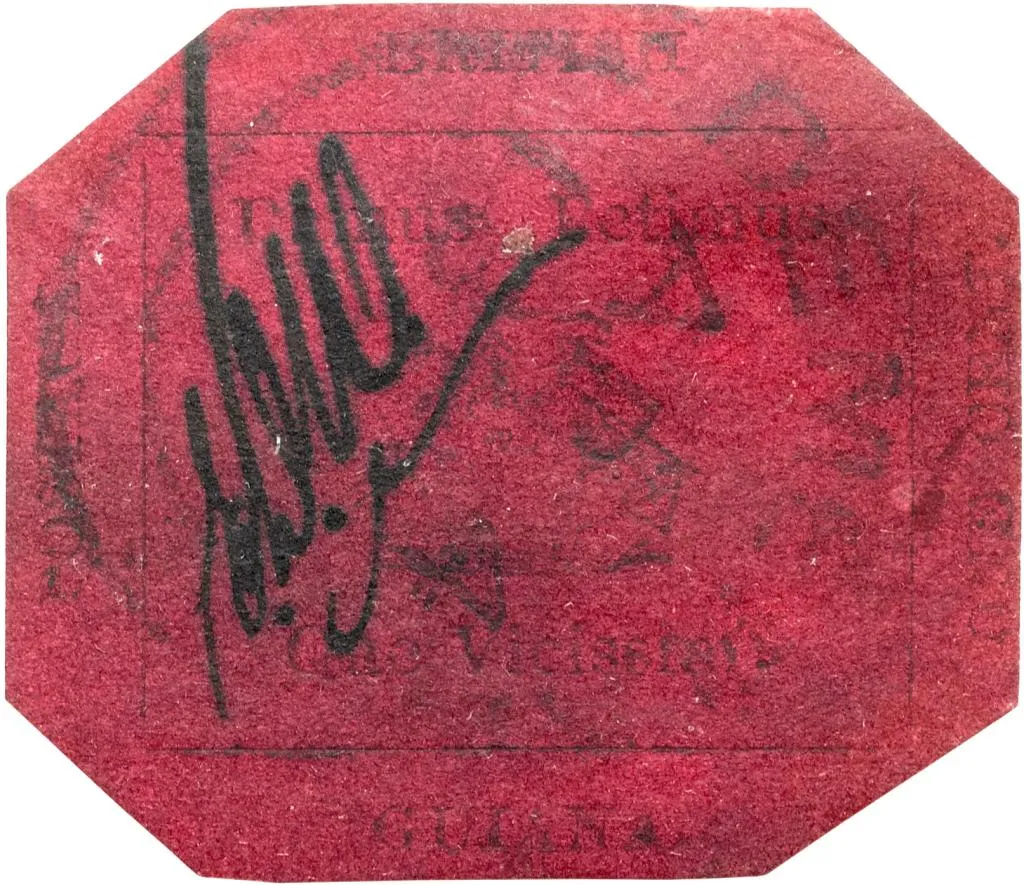
The British Guiana 1c Magenta was issued in 1856 in what was then British Guiana (now Guyana). Due to a shortage of postage stamps, the local postmaster commissioned a local printer to produce this provisional stamp. It was printed in black ink on magenta-colored paper and features a sailing ship along with the colony's motto, "Damus Petimus Que Vicissim" (We give and expect in return).
Source: Google Books
Record Sale:
In 2014, this unique stamp was sold at a Sotheby’s auction for a staggering $9.48 million, setting a new world record for the most expensive stamp. The buyer was the renowned shoe designer Stuart Weitzman, who added this gem to his collection.
The Treskilling Yellow
Origin:
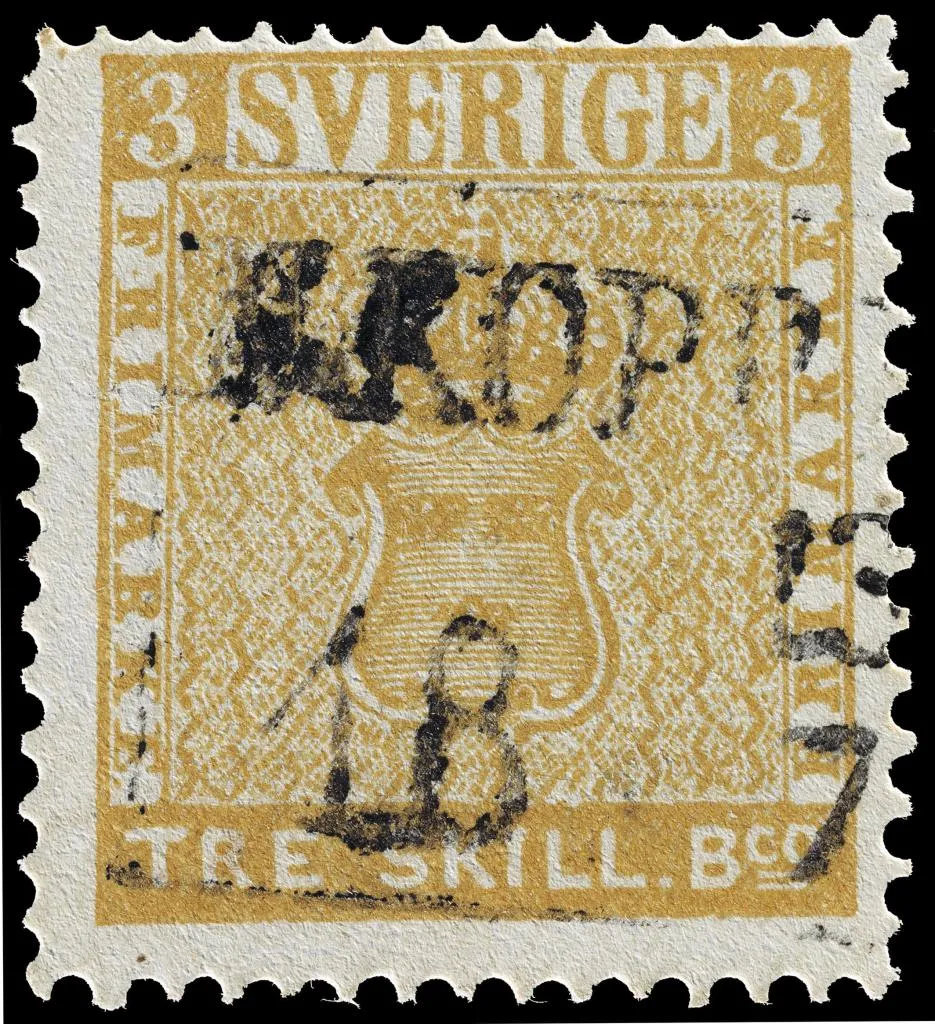
The Treskilling Yellow is a Swedish stamp issued in 1855. It is an error stamp, as the 3-skilling stamp was supposed to be printed in a blue-green color. However, due to a printing mistake, a few copies were printed in yellow, making them extremely rare.
Source: Google Books
Record Sale:
The last recorded sale of the Treskilling Yellow was in 2010, when it was sold for an undisclosed amount to an international consortium. Although the exact price was not revealed, it is believed to have fetched around $2.3 million, maintaining its status as one of the world’s most valuable stamps.
The Penny Black
Origin:
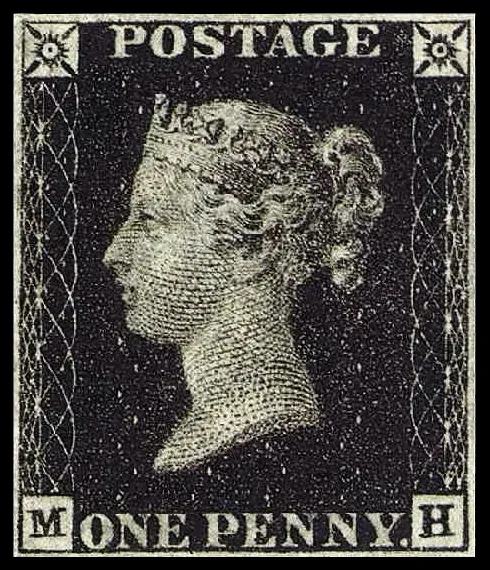
Issued in 1840, the Penny Black is the world's first adhesive postage stamp, introduced in the United Kingdom. It features a profile of Queen Victoria and was designed to simplify the postal system. While not inherently rare, its historical significance and the condition of certain specimens drive up its value.
Source: Google Books
Record Sale:
In 2011, a pristine example of the Penny Black on the cover (an envelope) was sold at an auction for £348,000 (approximately $560,000). The high price reflects its historical importance and the excellent condition of the stamp.
The Sicilian Error of Color
Origin:
The Sicilian Error of Color is an Italian stamp issued in 1859. It is a 10-grana stamp that was mistakenly printed in blue instead of the intended orange. Only a handful of these error stamps exist, making them incredibly rare and valuable.
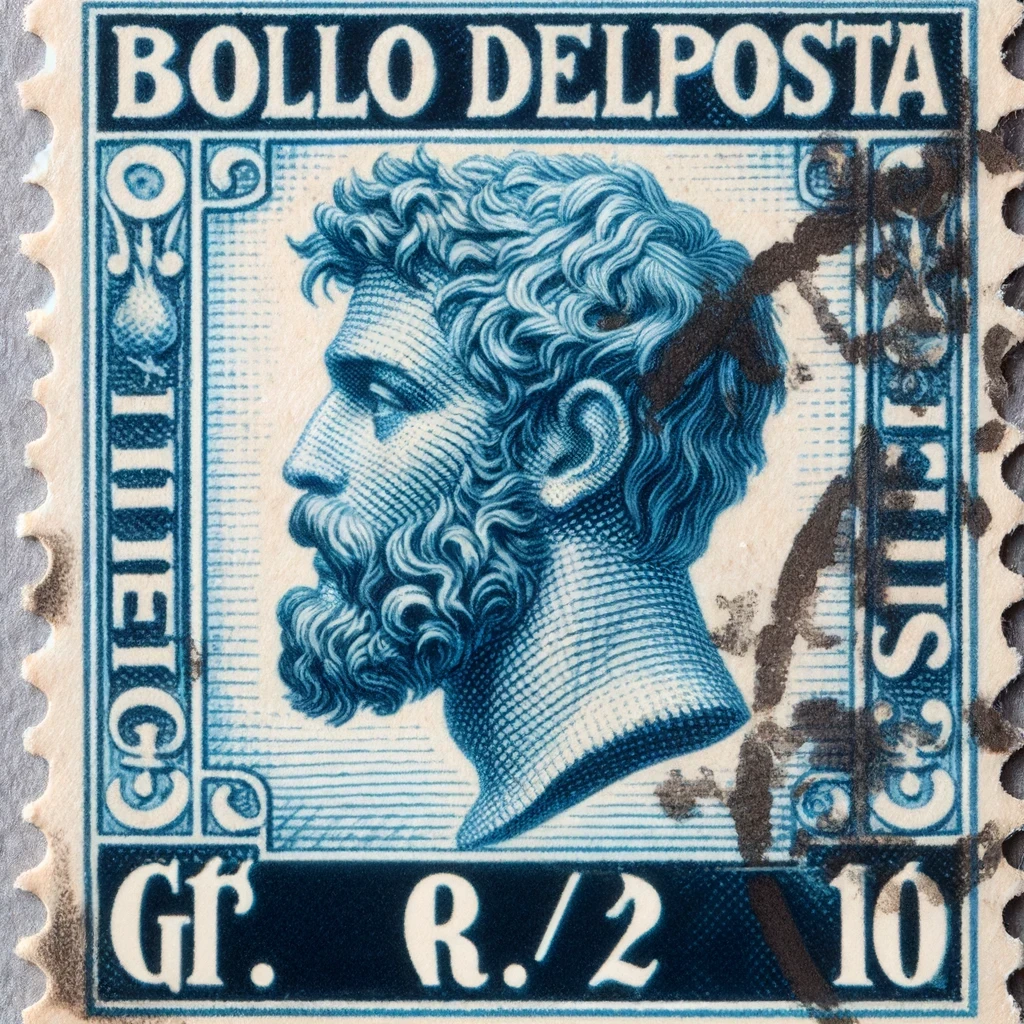
Source: By Stable MARK, own work, www.stablemark.com, Google Books
Record Sale:
In 2011, one of these rare stamps was sold at a David Feldman auction for €1.8 million (around $2.6 million). Its rarity and the story behind its printing error significantly contribute to its high value.
The Inverted Jenny
Origin:
The Inverted Jenny is an American stamp issued in 1918, known for its famous printing error. The stamp, which features a Curtiss JN-4 airplane, was mistakenly printed with the airplane upside down. Only 100 of these error stamps were ever found, making them highly sought after by collectors.
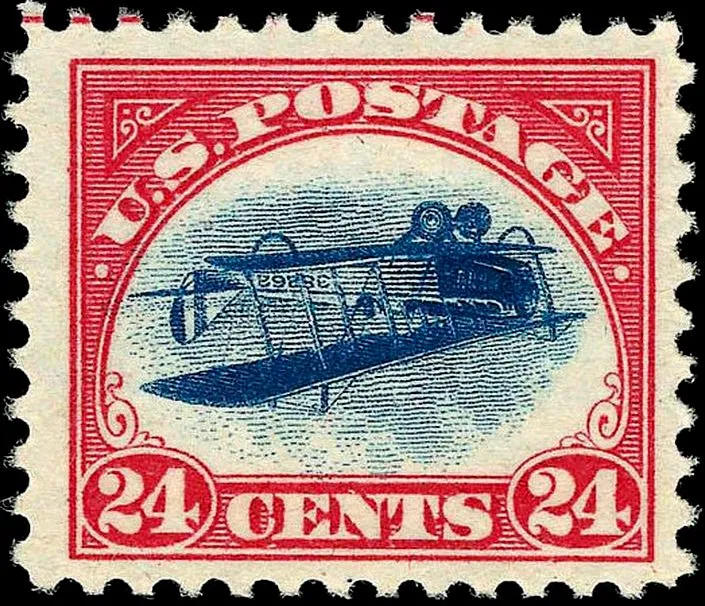
Source: Google Books
Record Sale:
In 2016, a block of four Inverted Jenny stamps was sold for $4.8 million at a Robert A. Siegel auction. This sale underscored the immense value and allure of this iconic error stamp.
The Inverted Swan
Origin:
The Inverted Swan is an Australian stamp issued in 1855 in Western Australia. It features a swan mistakenly printed upside down due to a printing error. This rare error has made it a prized item among collectors.
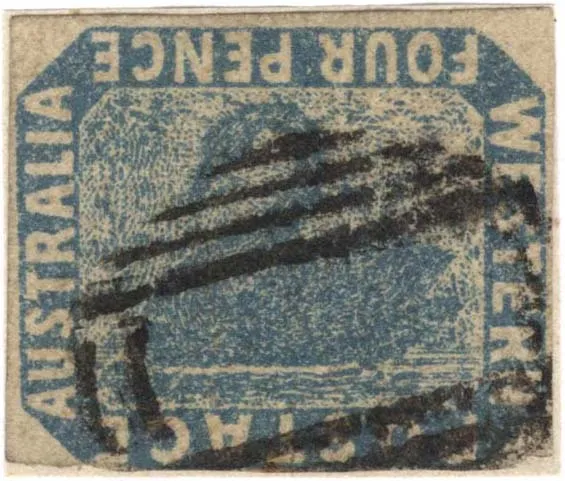
Source: Google Books
Record Sale:
In 1983, a block of four Inverted Swan stamps was sold for $1.5 million. The unique printing error and its scarcity contribute to its high value.
The Red Mercury
Origin:
The Red Mercury is an Austrian newspaper stamp issued in 1856. It features an image of Mercury, the Roman messenger god. The stamp is printed in red, which is the rarest and most valuable color variation.
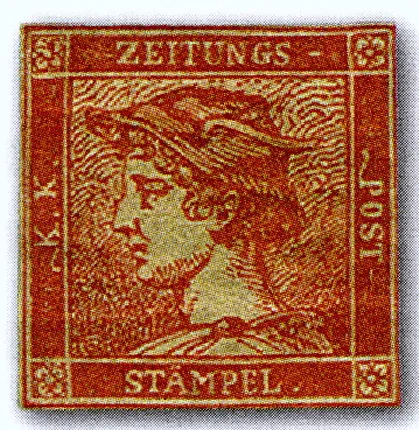
Source: Google Books
Record Sale:
In 2016, a Red Mercury stamp was sold for €40,000 (around $45,000). Its rarity and unique color make it highly sought after by collectors.
The Inverted Dendermonde 65c
Origin:
The Inverted Dendermonde is a Belgian stamp issued in 1920. It features the town hall of Dendermonde, which was mistakenly printed upside down. This printing error has made it one of the most sought-after Belgian stamps.
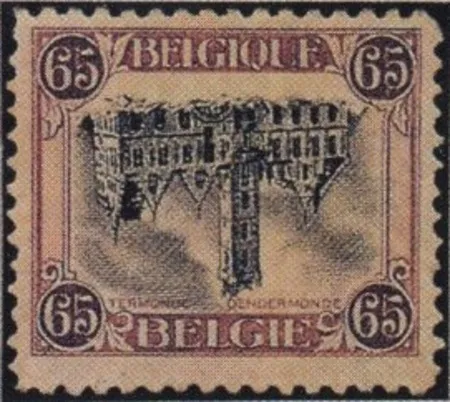
Source: Google Books
Record Sale:
In 2013, an Inverted Dendermonde was sold for €75,000 (around $85,000). Its rarity and the unique printing error contribute to its high value.
The Baden 9 Kreuzer Error
Origin:
The Baden 9 Kreuzer is a German stamp issued in 1851. It was mistakenly printed in the wrong color; instead of pink, it was printed in green. Only a few copies of this error exist.
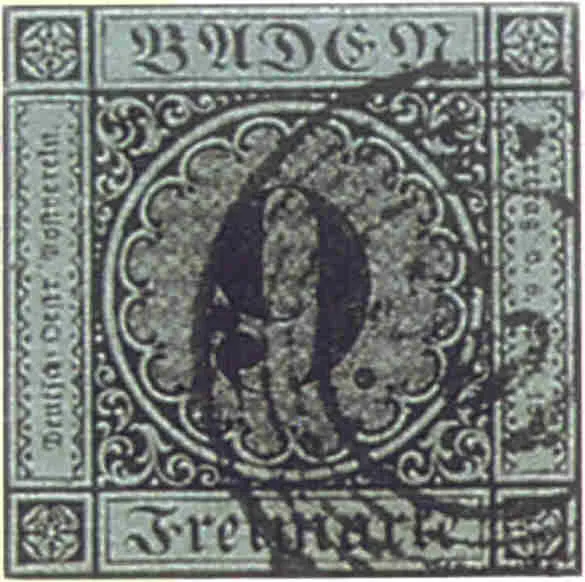
Source: Google Books
Record Sale:
In 2008, a Baden 9 Kreuzer error stamp was sold for €1.3 million (around $1.5 million). The unique printing error and its rarity make it highly valuable.
The First Two Stamps of Mauritius
Origin:
The first two stamps of Mauritius, known as the "Post Office" stamps, were issued in 1847. They are the first British colonial stamps and are highly prized by collectors. The stamps were printed in two denominations: one penny (orange) and two pence (blue).
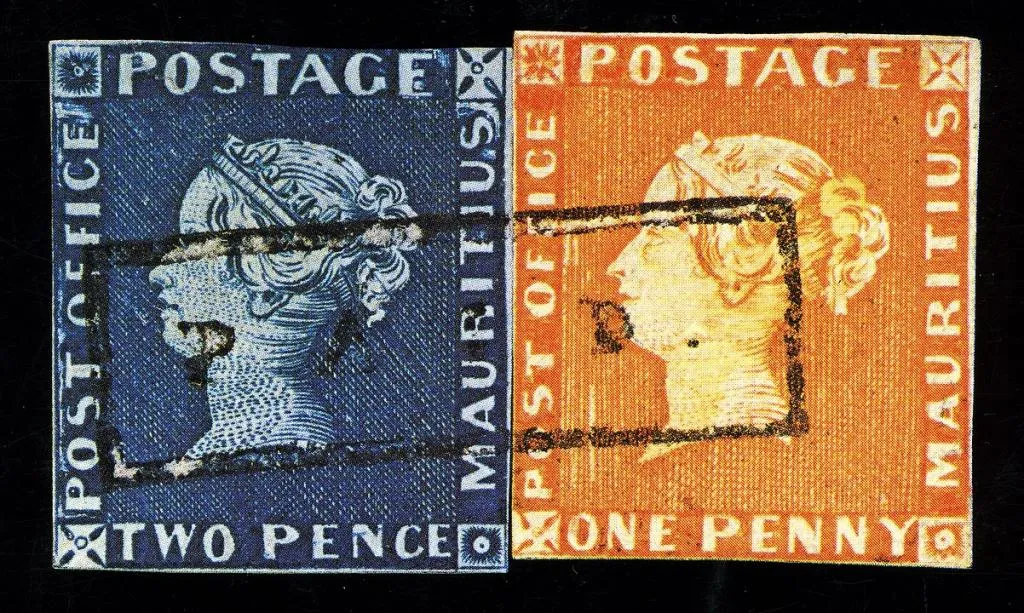
Source: Google Books
Record Sale:
In 1993, a two-pence blue Mauritius stamp was sold for $1.1 million. The rarity and historical significance of these stamps contribute to their high value.
Share this article