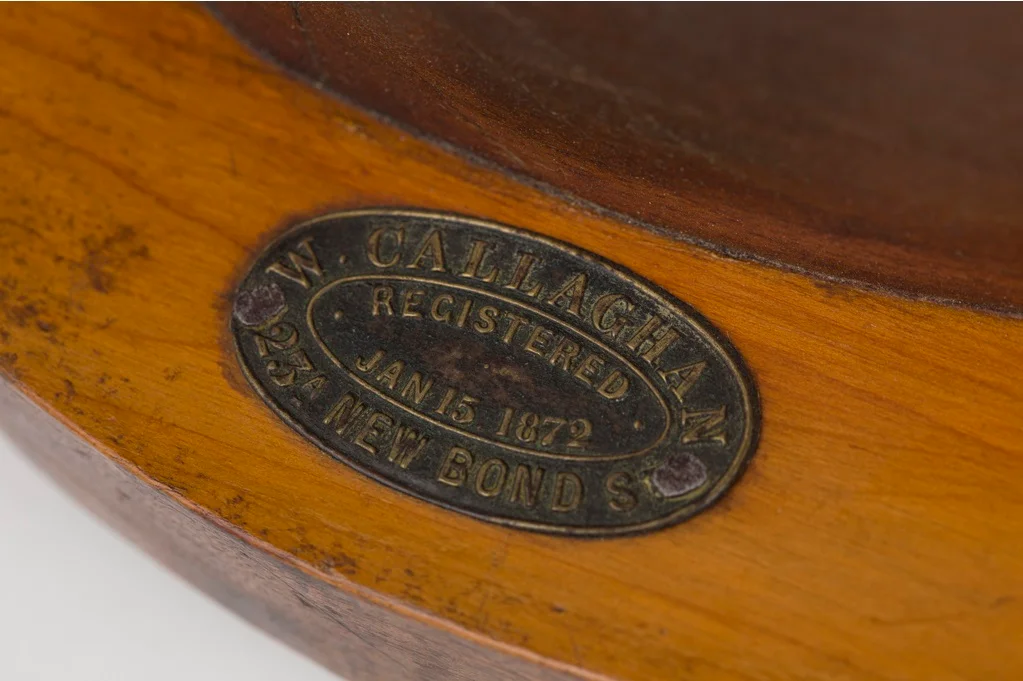
Horn Whistle and the Great Eastern Railway: A Historic Combination
Warning: Trying to access array offset on value of type bool in /home/u544390166/domains/stablemark.com/public_html/webdev/content/blog-post-page.php on line 467
Warning: Trying to access array offset on value of type bool in /home/u544390166/domains/stablemark.com/public_html/webdev/content/blog-post-page.php on line 467
Warning: Trying to access array offset on value of type bool in /home/u544390166/domains/stablemark.com/public_html/webdev/content/blog-post-page.php on line 497
Warning: Trying to access array offset on value of type bool in /home/u544390166/domains/stablemark.com/public_html/webdev/content/blog-post-page.php on line 510
Warning: Trying to access array offset on value of type bool in /home/u544390166/domains/stablemark.com/public_html/webdev/content/blog-post-page.php on line 510
Warning: Trying to access array offset on value of type bool in /home/u544390166/domains/stablemark.com/public_html/webdev/content/blog-post-page.php on line 540
Warning: Trying to access array offset on value of type bool in /home/u544390166/domains/stablemark.com/public_html/webdev/content/blog-post-page.php on line 540
Discover the fascinating story behind the iconic horn whistle and its connection to the Great Eastern Railway. Explore the rich history and significance of this historic combination.
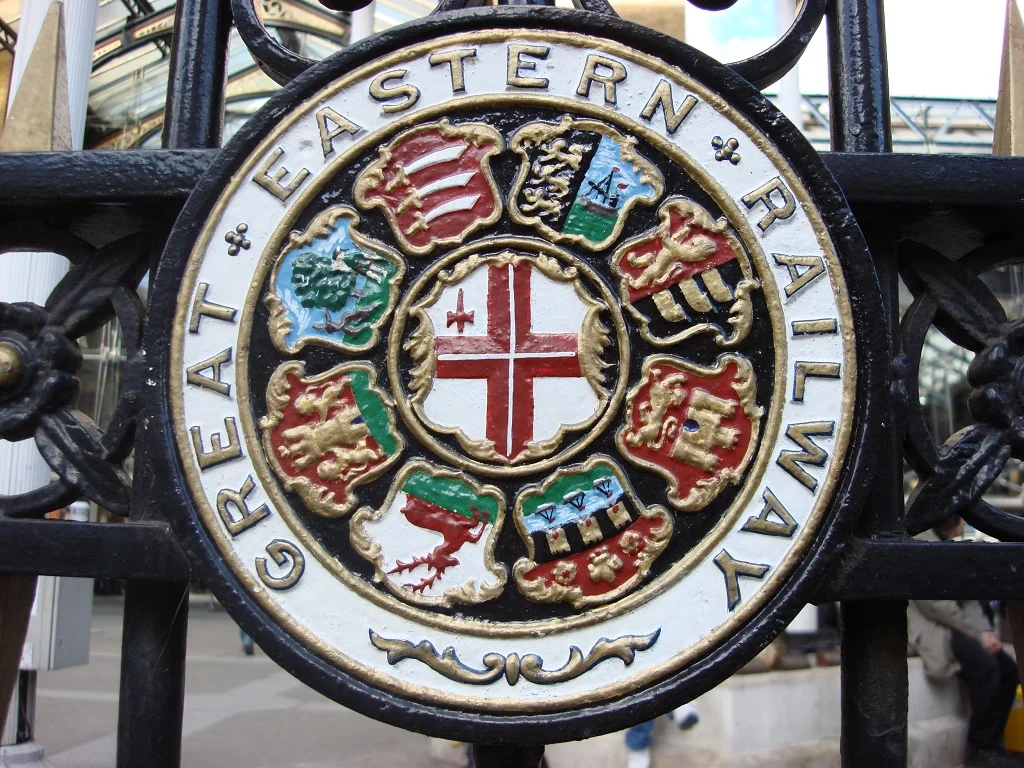
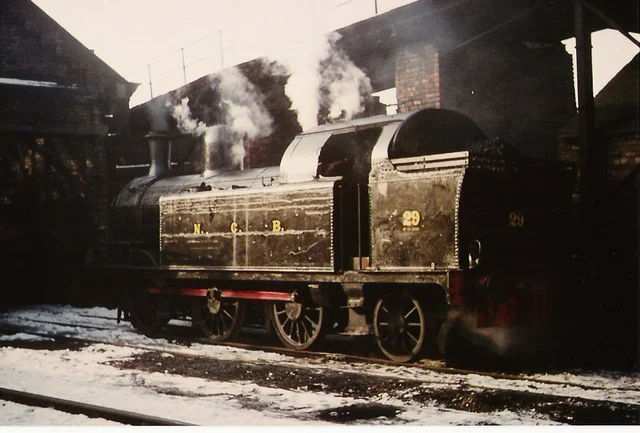
Source: By Oxyman - Own work, CC BY 2.5, https://commons.wikimedia.org/w/index.php?curid=1752995
Uncover the secrets of the Great Eastern Railway's distinctive horn whistles and their role in shaping railway history. Dive into our blog to reveal the captivating tales waiting to be told!
The Great Eastern Railway (GER)
The Great Eastern Railway (GER) was a pre-grouping British railway company, formed on August 7, 1862, through the merger of the Eastern Counties Railway and several smaller railway companies. Its main line, which commenced operations on June 1, 1862, linked London Liverpool Street to Norwich, with additional routes extending throughout East Anglia. The GER served various significant destinations, including Cambridge, Chelmsford, Colchester, Great Yarmouth, Ipswich, King's Lynn, Lowestoft, Norwich, and Southend-on-Sea, which was opened by the GER in 1889. It also played a pivotal role in connecting East Anglian seaside resorts such as Hunstanton, contributing to their prosperity. The GER served a suburban area encompassing Enfield, Chingford, Loughton, and Ilford.
In 1923, as part of the grouping of British railway companies, the Great Eastern Railway was incorporated into the London and North Eastern Railway.
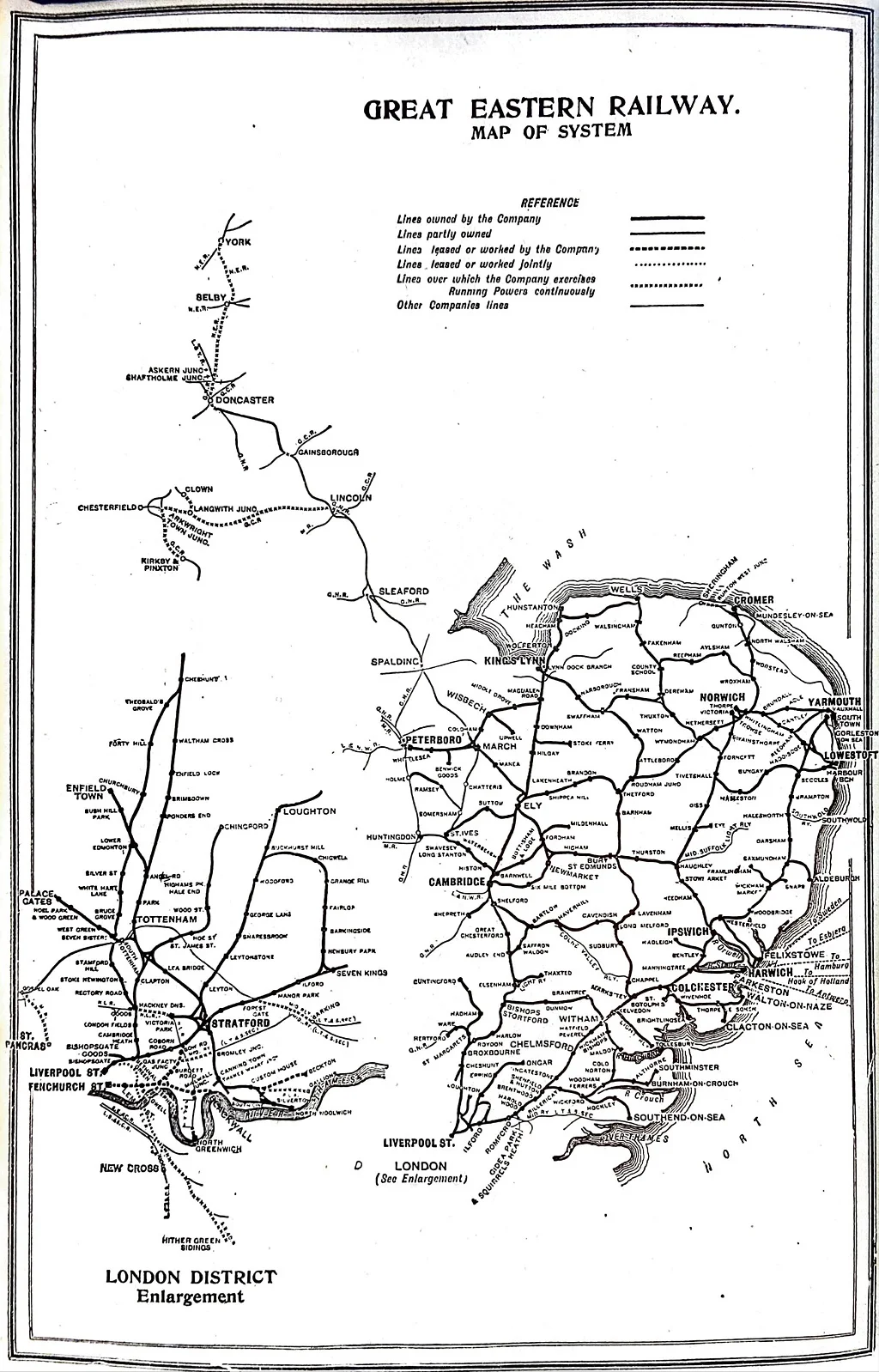
Source: By The Railway Year Book for 1920. The Railway Publishing Company Limited, London., Public Domain, https://commons.wikimedia.org/w/index.php?curid=143285592
Train Whistle Code
- Going to reverse: Three short whistles in a row.
- Going to move forward: Two short whistles.
- Approaching a street: Two long whistles (3-10 seconds each), then one short whistle, then one more long whistle (3-10 seconds).
- Stopping: One short whistle.
Share this article